
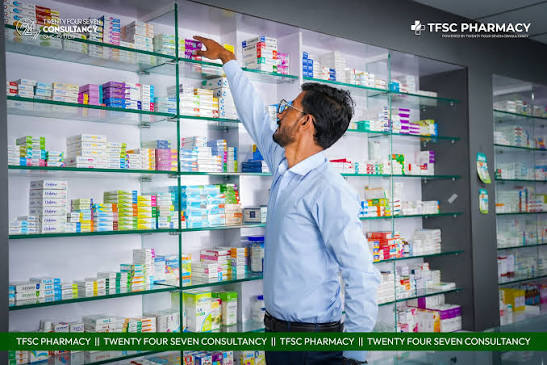
Buying pharmaceutical products online can be convenient, but it also requires careful attention to product quality, seller credibility, labeling, and safe purchasing practices. If intexpharmaresearch.uk you are considering an Intex Pharma Shop, it is important to understand what to check before placing an order. A reliable pharmaceutical shop should provide clear product information, appropriate packaging, transparent policies, and access to legitimate healthcare products.
This guide explains the key factors to consider when evaluating an Intex Pharma Shop and offers practical advice for making informed purchasing decisions.
Understanding Intex Pharma Shop
The name Intex Pharma Shop may refer to an online or physical pharmacy-style store offering pharmaceutical, healthcare, wellness, or related products. Before buying anything, customers should establish exactly what the shop sells and whether the products are intended for general wellness or require professional medical supervision.
A trustworthy pharmacy should make product details easy to understand. Information such as the product name, manufacturer, ingredients or active substances, dosage information where applicable, storage requirements, expiry date, and warnings should be clearly presented.
Customers should also be able to identify who operates the shop and how customer support can be reached.
Why Choosing a Reliable Pharmacy Matters
Pharmaceutical products are different from ordinary consumer goods because incorrect, expired, contaminated, counterfeit, or improperly stored products can create serious health risks. For this reason, choosing a reputable seller should be a priority.
A reliable pharmacy generally demonstrates transparency about its products and business practices. It should not make unrealistic promises about what a product can accomplish. Health-related claims should be supported by appropriate information rather than exaggerated marketing.
If a product normally requires a prescription, customers should be cautious of any seller that appears willing to supply it without appropriate verification or professional oversight.
Check Product Information Before Buying
One of the first things to examine at an Intex Pharma Shop is the quality of its product descriptions. Good product listings should provide enough information for customers to understand what they are considering.
Look for the following:
Product Name and Manufacturer
The product should have a clearly stated name and manufacturer. If the manufacturer is missing or the packaging information seems inconsistent, consider this a warning sign.
Ingredients and Product Details
For medicines, supplements, and healthcare products, ingredient information can help customers determine whether the product is appropriate for their needs. People with allergies or specific health concerns should pay particular attention to ingredient lists.
Expiry and Storage Information
Products should have appropriate expiry information and storage instructions. Medicines and certain healthcare products can be affected by heat, moisture, sunlight, or improper handling.
Packaging and Labels
Professional packaging should contain readable labels and relevant information. Spelling mistakes, damaged packaging, missing labels, or suspiciously altered packaging deserve additional attention.
Verify the Pharmacy’s Legitimacy
Before purchasing from an Intex Pharma Shop, investigate the business itself. Look for a physical business address, customer-service information, business registration details where applicable, and information about the people or organization operating the store.
A legitimate pharmacy should not need to hide basic business information.
You can also look for independent customer feedback, but reviews should not be the only factor in your decision. Online reviews can sometimes be incomplete, outdated, or unreliable. Consider multiple sources and look for consistent patterns rather than relying on a single comment.
Be Careful With Prices That Seem Too Good to Be True
Price is another important consideration. Discounts can be legitimate, especially during promotions or when purchasing common products in larger quantities. However, an unusually low price for a prescription or specialized pharmaceutical product can be a reason to investigate further.
Extremely low prices may sometimes indicate counterfeit products, expired stock, poor storage conditions, or misleading offers.
Instead of choosing a seller solely because it offers the lowest price, compare the product, manufacturer, packaging, seller information, and purchasing policies with reputable alternatives.
Understand Prescription Requirements
Some pharmaceutical products require a prescription or consultation with a qualified healthcare professional. A responsible pharmacy should respect these requirements.
Customers should never purchase prescription medicine simply because a website claims that no professional consultation is necessary. If you have been prescribed a medicine, use the exact product and directions provided by your healthcare professional.
A pharmacist or doctor can also help explain possible interactions, contraindications, and appropriate use.
Review Shipping and Return Policies
Before completing an order, read the shop’s shipping and return policies. Pharmaceutical products may have special restrictions concerning returns, storage, and delivery.
Important details to check include delivery times, shipping fees, packaging practices, order tracking, and the procedure for reporting damaged or incorrect products.
For temperature-sensitive products, customers should pay particular attention to whether the seller explains how products are transported and stored during delivery.
Protect Your Personal and Payment Information
Online pharmaceutical shopping also involves privacy and cybersecurity considerations. Before entering personal or payment information, check that the website uses a secure connection and provides clear information about privacy practices.
Avoid sending sensitive medical or financial information through unsecured channels. Use reputable payment methods and keep records of orders and receipts.
Customers should also be cautious of websites that pressure them into making immediate payments or request unusual payment methods.
Watch for Warning Signs
Several warning signs should make customers reconsider a purchase. These include anonymous sellers, missing product information, suspiciously low prices, unrealistic health claims, pressure to buy quickly, poor-quality packaging, and websites that do not clearly explain their policies.
Another warning sign is a seller that claims its products can guarantee extraordinary medical results. Legitimate healthcare products do not normally come with promises of instant or guaranteed cures for complex conditions.
If something seems unusual, pause the purchase and seek advice from a qualified healthcare professional or licensed pharmacist.
What to Do When Your Order Arrives
When receiving an order from an Intex Pharma Shop, inspect the packaging before using the product. Check the product name, packaging condition, expiry information, labeling, and other relevant details.
Do not use a product if the packaging appears damaged, opened, tampered with, or significantly different from what you expected. Contact the seller and, when appropriate, consult a pharmacist or healthcare professional.
Keep medicines and healthcare products stored according to their stated instructions and away from children.
Final Thoughts
Choosing an Intex Pharma Shop or any other pharmaceutical seller requires more than comparing prices. Product authenticity, clear labeling, business transparency, appropriate prescription practices, secure purchasing, and proper storage are all important factors.
Before buying, take time to verify the seller, research the product, read its information carefully, and understand the shop’s policies. When a medicine is involved, professional medical advice should take priority over online marketing or customer reviews.
A careful approach can help customers make more informed purchasing decisions and reduce the risks associated with unreliable pharmaceutical sources.
