
Introduction
Motor coils are essential components in electrical motors, helping convert electrical energy into mechanical energy. They play a significant role in the operation of industrial machinery, household Rfid Coil Design appliances, automotive systems, and many other electrical devices. Without properly designed motor coils, electric motors would not be able to generate the magnetic fields required to produce movement.
As technology continues to advance, the demand for efficient, reliable, and durable electric motors is increasing. Motor coils are therefore becoming increasingly important in manufacturing, automation, transportation, and energy-efficient equipment. Understanding how motor coils work, the different types available, and how to maintain them can help businesses and individuals make better decisions when selecting electrical equipment.
What Are Motor Coils?
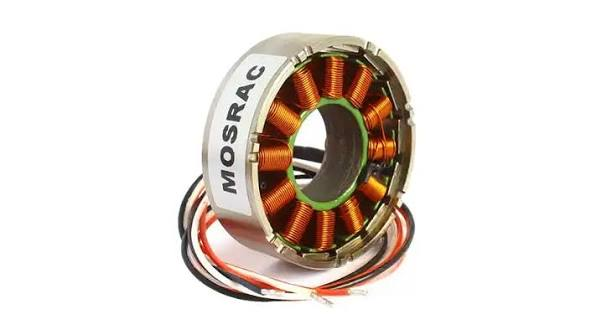
Motor coils are electrical windings made from conductive materials, usually copper or aluminum wire. These wires are wound around a core or arranged within a motor’s stator or rotor. When an electric current passes through the windings, it generates a magnetic field that interacts with other magnetic fields inside the motor.
This interaction produces the force necessary to rotate the motor shaft or create movement in other motor designs. The effectiveness of a motor coil depends on several factors, including wire thickness, winding configuration, insulation quality, resistance, and operating temperature.
Copper is commonly used because it offers excellent electrical conductivity and relatively low resistance. Aluminum may also be selected for certain applications because it is lightweight and can be economical, depending on the motor design.
How Do Motor Coils Work?
Motor coils operate according to the principles of electromagnetism. When electricity flows through a conductor, it creates a magnetic field around that conductor. By winding the wire into multiple turns, manufacturers can produce a stronger and more concentrated magnetic field.
In an electric motor, this magnetic field interacts with the magnetic field produced by permanent magnets or other energized windings. The resulting electromagnetic force creates torque, allowing the motor shaft to rotate.
The process generally involves three main stages:
- Electrical input: Electricity flows through the motor windings.
- Magnetic field generation: The energized coils create magnetic fields inside the motor.
- Mechanical movement: Interactions between magnetic fields produce torque and rotation.
Different motor designs use different winding arrangements and electrical supply systems. Alternating-current (AC) motors and direct-current (DC) motors, for example, may use different coil configurations to achieve their intended performance.
Common Types of Motor Coils
Motor coils are available in different designs to meet the requirements of various electrical motors and industrial applications.
1. Stator Coils
Stator coils are installed in the stationary part of an electric motor. They generate magnetic fields that interact with the rotor to produce rotation. Their design influences the motor’s efficiency, torque characteristics, and operating performance.
Stator windings are widely used in industrial motors, pumps, compressors, fans, and manufacturing equipment.
2. Rotor Coils
Rotor coils are associated with the rotating part of certain motor designs. Depending on the motor type, they help generate or interact with magnetic fields to create rotational movement.
Wound-rotor induction motors and some DC motors use rotor windings. Other motor designs, including many squirrel-cage induction motors, use different rotor constructions rather than conventional wound coils.
3. Field Coils
Field coils produce magnetic fields within motors and generators. They are commonly found in certain DC motors and other electrical machines that use electromagnetic excitation.
The strength of the magnetic field depends on factors such as current, winding turns, and the magnetic properties of the core. Proper field-coil design is important for achieving the desired operating characteristics.
4. Armature Coils
Armature coils are windings in which voltage is induced or through which current flows to produce electromagnetic torque, depending on the machine’s operating mode. They are used in various DC machines and some other motor designs.
Their construction must support the electrical and mechanical stresses experienced during operation.
5. Starting Coils
Some single-phase AC motors use auxiliary or starting windings to help the motor begin rotating. These windings create a phase difference or otherwise support the starting mechanism.
Starting coils are commonly associated with equipment such as fans, pumps, and certain household appliances. Their design depends on the motor’s starting method and application.
Applications of Motor Coils
Motor coils are used across many industries because electric motors provide a practical way to convert electrical energy into useful movement.
Industrial Manufacturing
Factories rely on electric motors to operate conveyor belts, machine tools, packaging systems, and automated production lines. High-quality motor coils help equipment operate reliably and support consistent production.
Automotive Systems
Electric motors are used in vehicle cooling fans, window regulators, seat adjustment systems, pumps, and many other components. Electric vehicles also depend on specialized motor designs to deliver propulsion efficiently.
Motor winding requirements vary according to the vehicle’s power, voltage, thermal management, and performance needs.
Household Appliances
Many everyday appliances contain electric motors. Washing machines, refrigerators, vacuum cleaners, blenders, and air-conditioning systems use motors to perform essential functions.
Motor coils must be suitable for the appliance’s operating conditions, expected service life, and energy-efficiency requirements.
HVAC Equipment
Heating, ventilation, and air-conditioning systems use motors to drive fans, blowers, compressors, and pumps. Proper coil design can support efficient airflow, dependable operation, and effective thermal performance.
Agricultural Machinery
Agricultural equipment uses electric motors in irrigation pumps, grain-handling systems, ventilation equipment, and processing machinery. Durable motor windings are particularly important when equipment operates for extended periods or in challenging environments.
Benefits of High-Quality Motor Coils
Choosing suitable motor coils offers several advantages for equipment manufacturers and users.
Improved energy efficiency: Properly designed windings can reduce electrical resistance and associated copper losses. Efficient motors can help lower energy consumption when selected and operated appropriately.
Reliable performance: High-quality materials and precise winding techniques support consistent motor operation and can reduce the likelihood of premature winding failure.
Better thermal management: Appropriate wire sizing, insulation, and cooling arrangements help control the heat generated during operation.
Longer service life: Motor coils manufactured with suitable insulation and construction methods can withstand normal electrical, thermal, and mechanical stresses for longer periods.
Reduced maintenance costs: Reliable windings may reduce unexpected downtime, repair expenses, and the need for frequent motor replacement.
However, actual performance depends on the entire motor design, including bearings, cooling, electrical controls, load conditions, and installation quality.
Factors to Consider When Choosing Motor Coils
Selecting the right motor coils requires careful attention to the motor’s technical requirements and intended operating environment.
Material Quality
Copper and aluminum are commonly used for motor windings. Buyers should consider electrical conductivity, weight, cost, and compatibility with the motor design.
Insulation System
Insulation prevents electrical contact between winding turns and other motor components. It must withstand the expected voltage, temperature, moisture, and environmental conditions.
Operating Temperature
Motor coils generate heat as current flows through them. A suitable winding and insulation system should match the motor’s expected temperature range and cooling capacity.
Motor Compatibility
The coil’s dimensions, winding pattern, number of turns, wire size, and electrical characteristics must match the motor’s specifications. Incorrect windings can cause overheating, poor performance, or equipment damage.
Manufacturer Reliability
A dependable manufacturer should provide consistent quality, appropriate technical documentation, and products that meet relevant specifications. For industrial applications, buyers may also consider production capabilities, quality-control procedures, and after-sales support.
Motor Coil Maintenance and Common Problems
Regular inspection can help identify winding problems before they lead to serious equipment failure. Common motor-coil issues include insulation deterioration, overheating, short circuits between winding turns, open circuits, and damage caused by moisture or contamination.
Motor overheating may result from excessive loads, poor ventilation, electrical supply problems, or winding defects. Insulation damage can also occur when a motor operates beyond its intended temperature or voltage limits.
Preventive maintenance should include keeping cooling passages clean, checking electrical connections, monitoring operating temperatures, and following the manufacturer’s inspection schedule. Qualified technicians may perform insulation-resistance tests and other electrical checks when appropriate.
If a motor develops unusual noise, burning odors, repeated overheating, or unexpected performance changes, it should be inspected by a qualified professional. Rewinding or replacing damaged coils may be necessary, depending on the motor’s condition and repair costs.
The Future of Motor Coil Technology
Motor coil technology continues to evolve as industries seek greater energy efficiency, smaller equipment designs, and improved reliability. Manufacturers are exploring advanced winding methods, improved insulation materials, automated production techniques, and better thermal-management solutions.
Precision manufacturing can help improve winding consistency and reduce production defects. New motor designs may also use specialized winding arrangements to support higher power density and improved performance.
Electric transportation, renewable energy systems, robotics, and industrial automation are likely to maintain demand for advanced electric motors. As these applications expand, motor coils will remain a critical part of electrical-machine engineering.
Conclusion
Motor coils are fundamental components that enable electric motors to generate magnetic fields and produce mechanical movement. From industrial machinery and automotive systems to household appliances and HVAC equipment, they support countless applications in modern life.
Understanding the different types of motor coils, their operating principles, and their maintenance requirements helps businesses and individuals select suitable motor components. By focusing on material quality, insulation, thermal performance, and motor compatibility, users can support reliable operation and reduce unnecessary maintenance expenses.
As electrical technology continues to develop, high-quality motor coils will remain important for building efficient, durable, and dependable motors. Choosing the right winding design and maintaining it correctly can contribute significantly to the performance and service life of electrical equipment.
