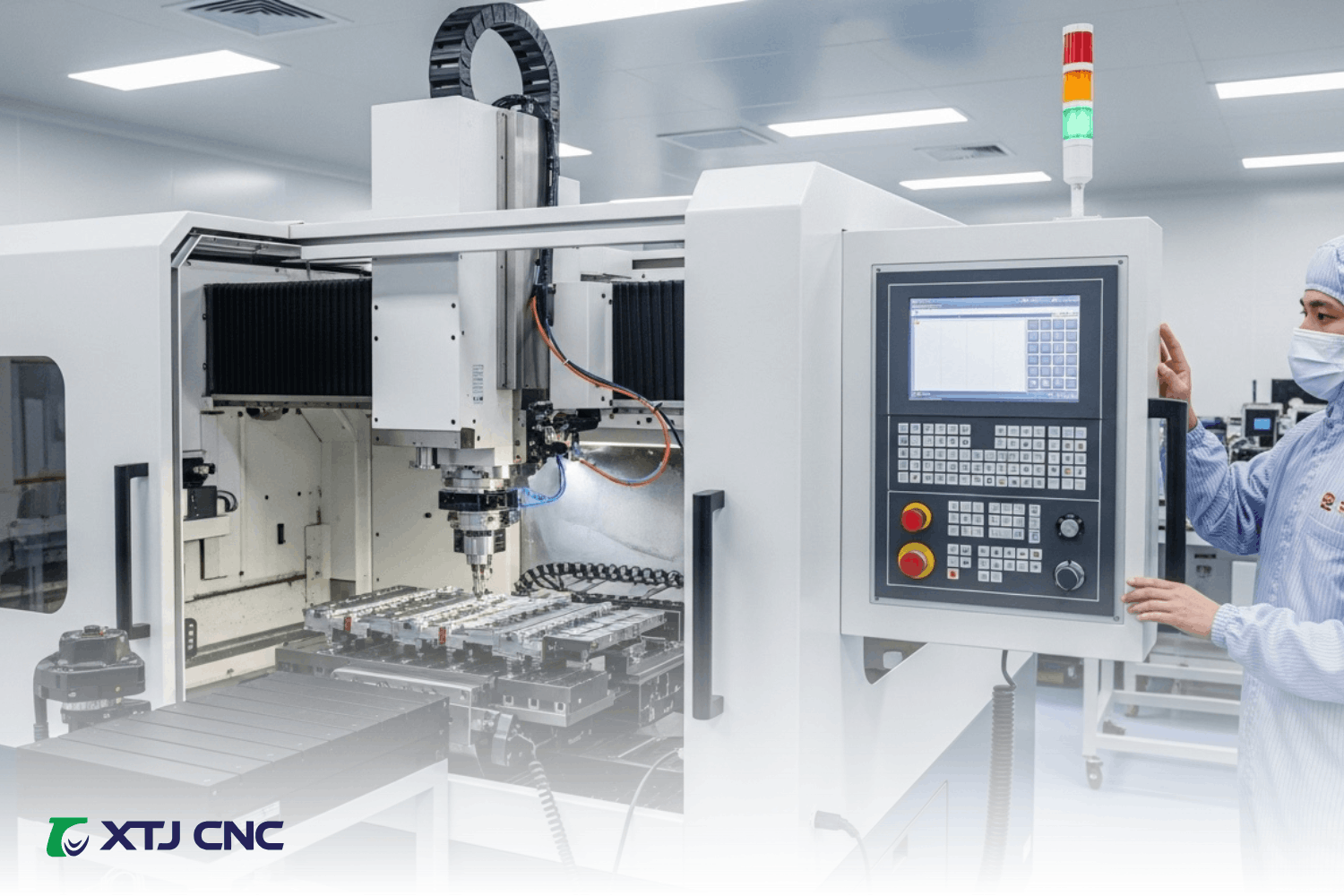
In today’s competitive manufacturing landscape, flexibility and speed are just as important as precision. Whether you are a startup developing a prototype or an established company launching a specialized product line, choosing the right partner for low volume CNC machining can directly impact your product quality, cost efficiency, and time-to-market.
Low volume production requires a different mindset than mass manufacturing. It demands adaptability, close communication, and technical expertise. Selecting the right machining partner is not just about finding a supplier; it is about building a strategic relationship that supports innovation and growth. This guide will walk you through the essential factors to consider when choosing the right low volume CNC machining partner.
Understanding Your Project Requirements
Before you begin evaluating potential partners, you need a clear understanding of your own needs. Define your production volume, material specifications, tolerances, surface finish requirements, and delivery timelines. Low volume CNC machining projects often involve complex geometries or high-precision parts, so clarity at this stage will help you filter out unsuitable vendors.
Consider whether your project is a prototype, bridge production, or a limited-run product. Each type of project may require slightly different expertise and turnaround expectations. By outlining your goals and constraints in detail, you will be better positioned to assess whether a machining partner can meet them.
Technical Capabilities and Equipment
Not all CNC machine shops are equipped to handle low volume CNC machining efficiently. Some facilities are optimized for high-volume production and may not prioritize smaller runs. Look for a partner with advanced CNC milling and turning centers, multi-axis capabilities, and modern inspection equipment.
Ask about the types of materials they frequently work with, such as aluminum, stainless steel, titanium, or engineering plastics. A capable partner should demonstrate experience with your required materials and be able to recommend machining strategies to optimize performance and cost.
Additionally, inquire about their CAD/CAM software and ability to work with your design files. Seamless digital integration ensures fewer errors and faster adjustments during production.
Experience in Low Volume Production
Experience specifically in low volume CNC machining is critical. Short runs require quick setup times, efficient programming, and the ability to pivot rapidly if design changes occur. A shop accustomed to large batch production may struggle with the agility required for smaller quantities.
Ask potential partners for case studies or examples of previous low volume projects. This will give you insight into their workflow, quality standards, and ability to meet tight deadlines. An experienced provider will also understand the importance of minimizing setup costs and tooling expenses to keep per-part pricing competitive.
Quality Control and Certifications
Quality is non-negotiable, especially in industries such as aerospace, medical, and automotive. A reliable low volume CNC machining partner should have a robust quality management system in place. Look for certifications such as ISO 9001 or industry-specific standards.
Ask about their inspection processes, including first article inspection, in-process checks, and final quality verification. Modern metrology tools such as coordinate measuring machines and optical inspection systems indicate a commitment to precision.
Consistency is particularly important in low volume production, where even small deviations can compromise the functionality of a limited batch. A trustworthy partner will provide detailed inspection reports and maintain transparent communication regarding quality metrics.
Communication and Responsiveness
Effective communication can make or break a low volume CNC machining project. Because small production runs often involve design iterations and tight timelines, you need a partner who responds quickly and clearly.
Pay attention to how promptly they reply to inquiries and how thoroughly they answer technical questions. Are they willing to provide design-for-manufacturability feedback? Do they proactively suggest improvements to reduce cost or improve part performance?
A strong machining partner acts as a collaborative extension of your engineering team. Open communication ensures that potential issues are identified and resolved early, preventing costly delays later.
Lead Times and Production Flexibility
One of the primary advantages of low volume CNC machining is shorter lead times compared to traditional manufacturing methods. However, not all suppliers can deliver on this promise.
Discuss typical turnaround times and their capacity to handle urgent orders. Ask how they manage scheduling and whether they have backup equipment in case of machine downtime. A flexible partner should be able to accommodate adjustments in order quantity or delivery dates without significant disruption.
Production flexibility also includes scalability. If your product demand increases, can the partner smoothly transition from low volume to higher quantities? Choosing a shop with growth capability can save you from switching suppliers later.
Cost Transparency and Pricing Structure
Cost is always a critical factor, but the lowest quote is not necessarily the best option. In low volume CNC machining, pricing should reflect material costs, machine time, setup fees, and finishing processes.
Request detailed quotations that break down these elements. Transparent pricing helps you understand where your budget is allocated and identify opportunities for optimization. Be cautious of vague or unusually low estimates, as they may indicate hidden costs or compromised quality.
It is also helpful to discuss long-term pricing strategies. Some machining partners offer discounts for repeat orders or ongoing collaborations, which can benefit your business as projects evolve.
Material Sourcing and Supply Chain Reliability
Reliable material sourcing plays a significant role in the success of low volume CNC machining projects. Delays in raw material procurement can disrupt production schedules.
Ask potential partners about their supplier network and how they ensure material traceability and compliance. A strong supply chain minimizes risk and ensures consistent material quality.
For industries with strict regulatory requirements, documentation and traceability are essential. Ensure your chosen partner can provide material certifications and maintain organized records.
Post-Processing and Value-Added Services
Low volume CNC machining often involves additional processes such as anodizing, powder coating, heat treatment, or assembly. Working with a partner that offers these value-added services can streamline your supply chain and reduce logistical complexity.
Instead of coordinating with multiple vendors, you can rely on a single source to manage the entire process. This approach saves time, reduces shipping costs, and enhances overall quality control.
Discuss whether the shop handles post-processing in-house or through trusted partners. Either option can work, but clarity and accountability are key.
Location and Logistics
While global sourcing can offer cost advantages, proximity can improve communication and lead times. Evaluate whether a local, regional, or international partner best fits your needs.
Consider factors such as shipping costs, customs regulations, and time zone differences. For projects requiring frequent collaboration or site visits, geographic proximity may be a significant advantage.
At the same time, many reputable low volume CNC machining providers operate efficiently across borders using digital collaboration tools and reliable logistics networks.
Reputation and Client Feedback
Reputation provides valuable insight into a machining partner’s reliability and performance. Look for online reviews, testimonials, and references from past clients. If possible, speak directly with existing customers to gain honest feedback about their experience.
A company with a strong track record in low volume CNC machining will typically showcase successful projects and long-term client relationships. Consistency and repeat business are strong indicators of trustworthiness.
You may also research whether the company has collaborated with well-known organizations or supported projects for major brands. While not mandatory, such experience often reflects a high level of competence and professionalism.
Commitment to Continuous Improvement
Manufacturing technology evolves rapidly. A forward-thinking low volume CNC machining partner invests in new equipment, employee training, and process optimization.
Ask about their approach to innovation and continuous improvement. Are they adopting automation, advanced tooling strategies, or digital quality tracking systems? A partner committed to growth is better equipped to meet future challenges and evolving product requirements.
Building a Long-Term Partnership
Ultimately, choosing the right low volume CNC machining partner is about more than completing a single project. It is about establishing a long-term collaboration that supports your company’s goals.
When evaluating potential providers, consider not only their technical abilities but also their alignment with your business values and communication style. A dependable partner will prioritize transparency, reliability, and mutual success.
By carefully assessing technical capabilities, quality standards, communication practices, pricing transparency, and production flexibility, you can confidently select a machining partner who meets your needs. Investing time in this decision will pay dividends in improved product quality, faster development cycles, and stronger market competitiveness.
In the fast-paced world of product development, the right low volume CNC machining partner can be the difference between delays and success. Choose wisely, and you will gain a trusted ally in turning your ideas into precision-engineered reality.